
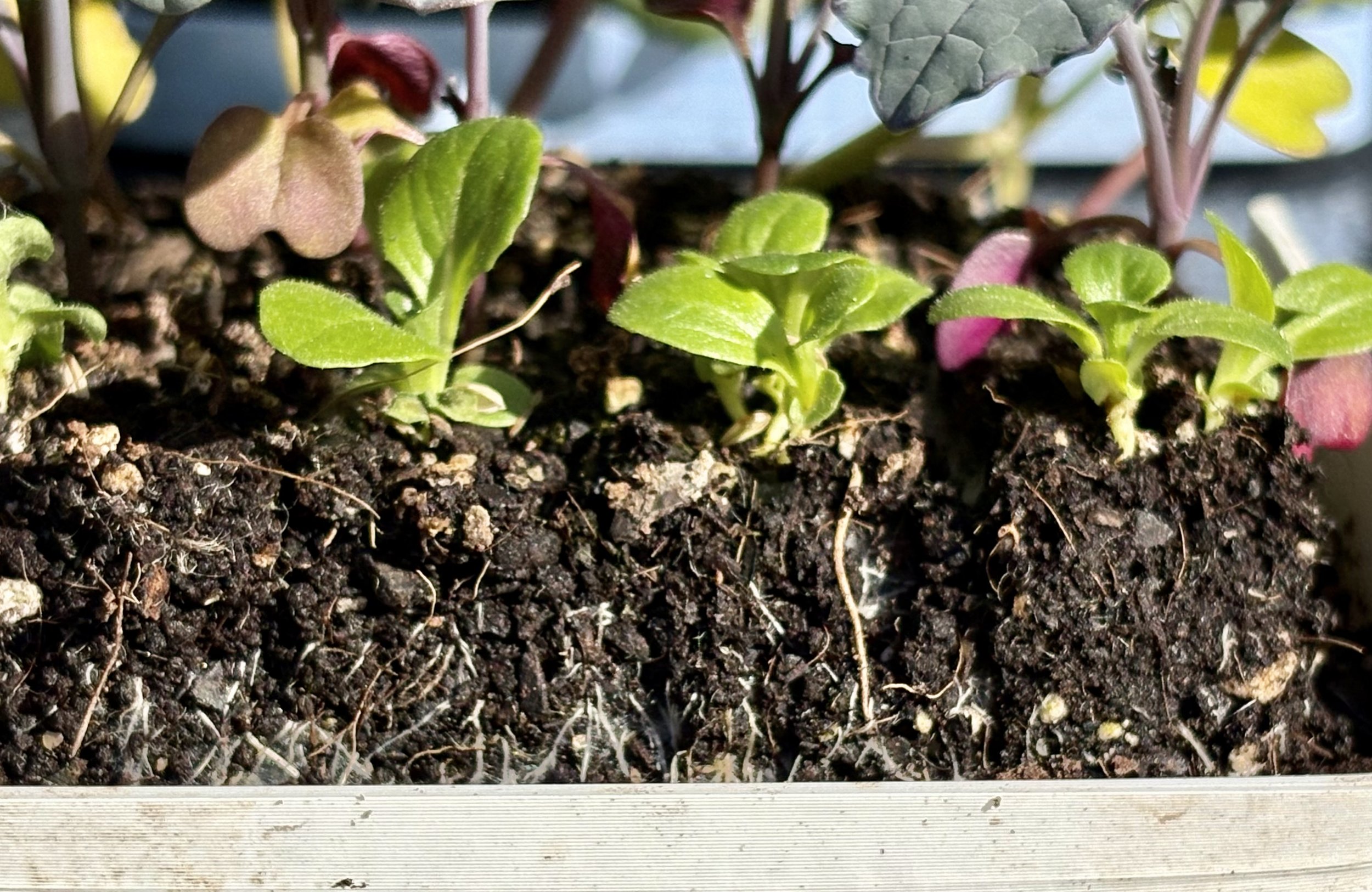
Benefits of Soil Blocking: A Better Way to Start Seeds Without Plastic Trays
Discover the benefits of soil blocking compared to traditional seed trays, including healthier root systems, reduced transplant shock, and less plastic waste. This guide explains why gardeners and flower farmers are switching to soil blocks for stronger seedlings, better moisture control, and more sustainable seed starting success.
Soil Blocking vs Seed Trays: Why Soil Blocking Can Improve Seed Starting Success
Starting seeds indoors is one of the most rewarding parts of gardening, but the method you choose can significantly influence plant health, transplant success, and long-term efficiency. Traditional plastic cell trays have been widely used for decades, but many gardeners and flower farmers are increasingly adopting soil blocking, a technique that forms compressed cubes of soil instead of using individual containers.
So what makes soil blocking different — and why do many growers consider it an improvement over conventional seed trays?
What Is Soil Blocking?
Soil blocking is a seed starting method that uses a hand tool called a soil blocker to compress moist seed-starting mix into firm blocks. Seeds are planted directly into these blocks, which hold their shape without requiring plastic containers.
The blocks are typically placed in a tray for support and bottom watering, creating a flexible and reusable seed starting system.
Healthier Root Systems
One of the most frequently cited benefits of soil blocking is improved root development.
In traditional plastic cells, roots grow until they encounter the container wall, where they often begin circling. This can contribute to root binding and reduced transplant performance. In soil blocks, roots are exposed to air at the block surface, which naturally stops tip growth and encourages branching — a process known as air pruning.
Healthy root architecture is widely recognized as important for transplant success and plant vigor. Scientific research from the Journal of Experimental Botany discusses the importance of root structure in seedling development:
https://doi.org/10.1093/jxb/erad488
Because soil blocks encourage branching root systems rather than circling roots, seedlings often establish more quickly after transplanting.
Reduced Transplant Shock
Seedlings grown in plastic cells can experience stress when removed from containers, particularly if roots are tightly bound or disturbed during transplanting.
Soil blocks minimize root disturbance because the entire block is transplanted directly into the soil. Gardeners often observe:
Faster establishment after planting
Less wilting
More consistent early growth
While results vary depending on crop and conditions, minimizing root disturbance is a widely accepted horticultural principle.
Reduced Plastic Use
Traditional seed trays are commonly made from thin petroleum-based plastics that degrade or crack after repeated use. Over time, replacing these materials can contribute to plastic waste.
Soil blocking reduces reliance on disposable plastic containers. Many growers combine soil blocks with durable, reusable trays, creating a longer-lasting system that aligns with sustainable gardening goals.
Reducing plastic waste in horticulture is an increasing area of interest in environmental research.
Moisture Control and Bottom Watering
Soil blocks absorb water from below through capillary action, which can promote even moisture distribution when properly managed. Consistent moisture is important for seed germination and early root development.
Bottom watering also reduces disturbance to seeds compared with overhead watering. However, maintaining appropriate moisture still requires attention, as soil blocks can dry faster than enclosed plastic cells if environmental conditions are not controlled.
Using stable trays designed for soil blocks can help maintain consistent hydration and simplify watering routines.
Efficient Use of Growing Space
Because soil blocks do not require rigid cell dividers, they can be arranged closely together. This flexibility allows growers to maximize limited space under grow lights or in greenhouses.
For gardeners starting large numbers of seedlings, space efficiency can be a meaningful advantage.
Cost Considerations Over Time
Soil blockers require an initial investment, but some growers find long-term costs decrease because they no longer need to repeatedly purchase disposable trays or inserts.
Additionally, smaller soil blocks may use less growing medium per plant compared to traditional containers, depending on the system used.
Economic benefits vary by scale, but durability and reusability are often cited advantages.
Sustainability Considerations
For gardeners seeking environmentally responsible methods, soil blocking offers several potential sustainability benefits:
Reduced dependence on disposable plastics
Compatibility with biodegradable materials
Efficient use of growing media
While soil blocking is not entirely impact-free — soil mixes, water, and inputs still carry environmental costs — it can reduce certain forms of material waste compared with single-use systems.
Limitations and Learning Curve
Despite its advantages, soil blocking is not necessarily the best method for every situation.
Some considerations include:
Requires proper soil moisture and technique
Blocks can dry out more quickly in low-humidity environments
Initial setup may feel unfamiliar for beginners
Very large seedlings may require potting up
Understanding these factors helps gardeners choose the most appropriate method for their needs.
Is Soil Blocking Right for Beginners?
Although there is a learning curve, many beginners successfully adopt soil blocking after a few attempts. Educational resources from experienced growers can be helpful when starting out.
Practical tutorials are available from growers such as The Gardener’s Workshop:
https://thegardenersworkshop.com/
With practice, many gardeners find soil blocking becomes efficient and straightforward.
Final Thoughts
Traditional seed trays remain widely used and effective, but soil blocking offers several potential advantages in root development, transplant success, space efficiency, and plastic reduction. By encouraging branching root systems and minimizing transplant disturbance, soil blocking can support healthy seedling growth when implemented correctly.
For gardeners interested in improving seed starting success while reducing reliance on disposable plastics, soil blocking represents a practical and increasingly popular alternative.
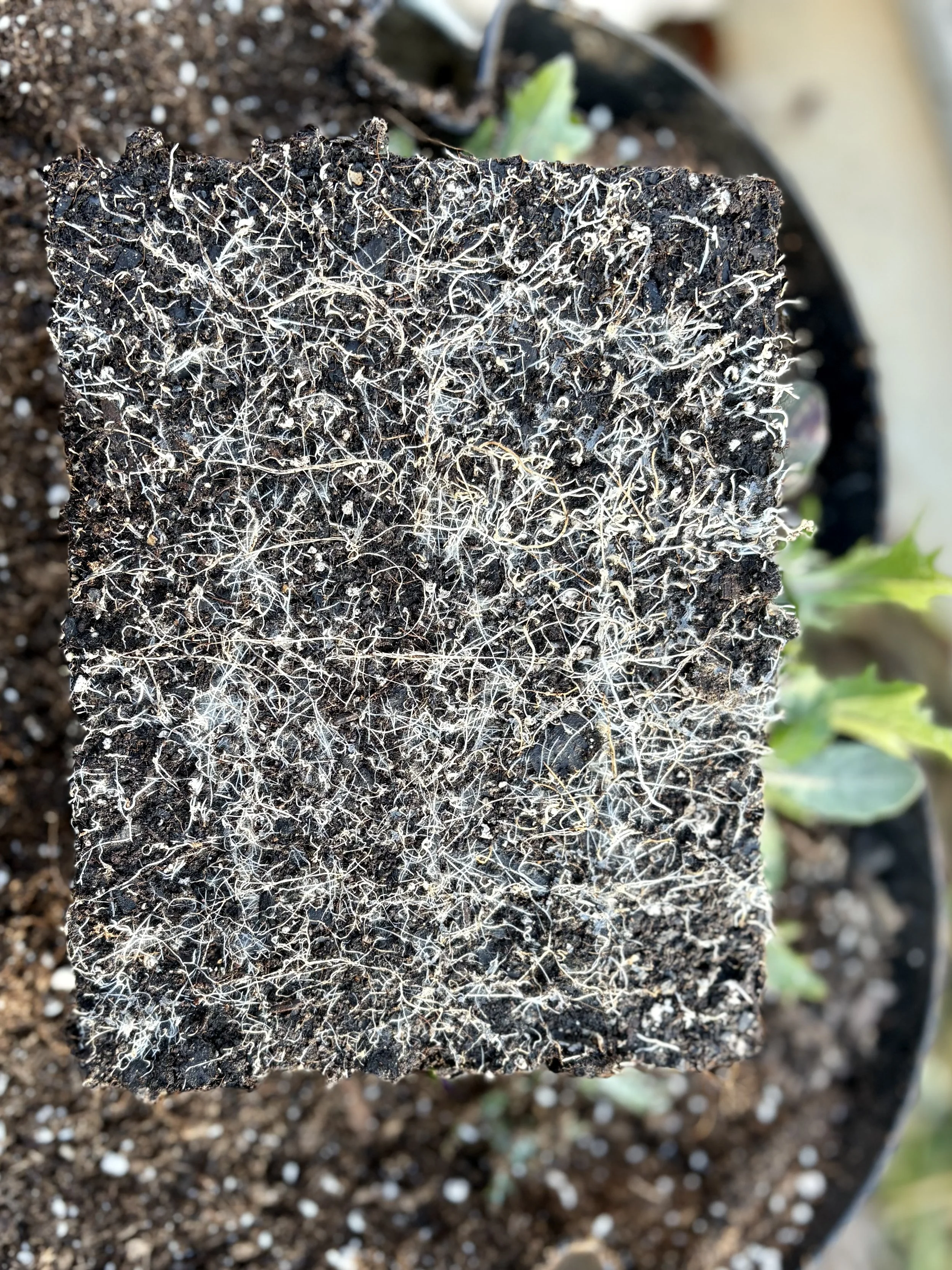
Healthy root growth on soil blocks grown in our EcoFloral Seed Trays