
Best Soil Blocking Tools for Beginners: Complete Starter Guide
Discover the best soil blocking tools for beginners, including blockers, trays, soil mixes, and watering methods for successful seed starting. This complete guide explains what you need to start soil blocking, grow healthier seedlings, and reduce plastic use with a simple, reusable system.
Soil blocking is an increasingly popular method for starting seeds without plastic trays. By forming compressed cubes of soil instead of using containers, gardeners can grow seedlings with healthier root systems and reduced transplant shock. However, getting started successfully depends on having the right tools.
This guide explains the essential soil blocking tools beginners need, how each one works, and how to choose the best setup for your growing space.
What Is Soil Blocking?
Soil blocking uses a handheld tool called a soil blocker to compress moist seed-starting mix into firm cubes that hold their shape without containers. Seeds are planted directly into the blocks, which are typically placed in a tray for support and bottom watering.
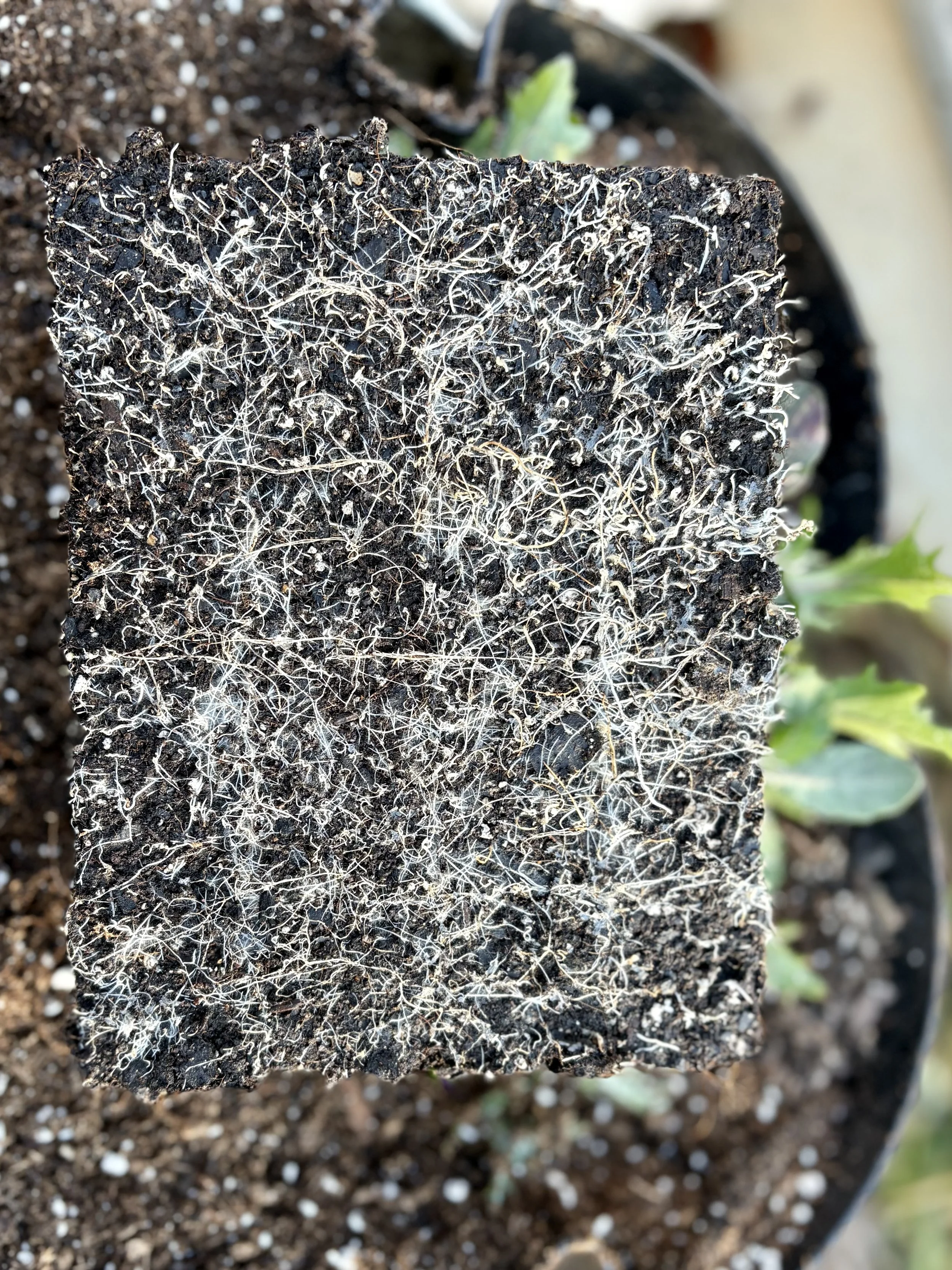
Because roots are exposed to air at the edges of the block, they naturally stop growing outward and branch instead — a process known as air pruning. Healthy root development is widely recognized as important for transplant success and plant vigor, as discussed by the Journal of Experimental Botany:
https://doi.org/10.1093/jxb/erad488
Essential Soil Blocking Tools
1. Soil Blocker Tool
The soil blocker itself is the most important piece of equipment. These tools compress soil into uniform blocks and create small indentations for seeds.
Common sizes include:
Mini blocks (¾ inch) for small seeds
Micro blocks for dense seed starting
Standard 2-inch blocks for vegetables and flowers
Larger blocks for potting up seedlings
Beginners often start with mini or 2-inch blockers depending on their crops.
2. Solid Bottom Tray
Soil blocks need a stable tray underneath for support and watering. Trays that enable bottom watering are ideal because they maintain even moisture levels and reduce disturbance to seedlings.
Using sturdy trays designed for soil blocks can simplify watering and improve organization.
3. Seed Starting Mix
Soil blocking requires a fine, moisture-retentive mix that holds together when compressed. Many growers use mixes containing:
Peat or coco coir
Compost
Fine vermiculite or perlite
Nutrient amendments
The correct moisture level is critical — the texture should resemble wet brownie batter, so the blocks hold their shape.
4. Watering System
Bottom watering is one of the main advantages of soil blocking. Water is added to the tray, allowing blocks to absorb moisture from below through capillary action.
A small watering can with a gentle rose head is also useful for occasional top watering without disturbing seeds.
Consistent moisture is essential for germination success.
5. Humidity Dome or Cover
During germination, seeds benefit from consistent humidity. Many growers use humidity domes, plastic covers, or even repurposed containers to maintain moisture until seedlings emerge.
Covers should be removed once sprouts appear to prevent disease issues.
6. Grow Lights or Bright Light Source
After germination, seedlings need strong light immediately. Insufficient light causes weak, leggy growth.
Options include:
LED grow lights
Fluorescent shop lights
Bright south-facing windows (for small setups)
Lighting is often one of the most important success factors.
Optional but Helpful Tools
These items are not required but can improve efficiency:
Heat mats for warm-season crops
Seed dibblers or tweezers for small seeds
Labels for organization
Spray bottles for humidity control
Larger trays for potting up
As your system grows, these tools can add convenience.
Sustainability Benefits of Soil Blocking
One reason many gardeners choose soil blocking is the reduction in plastic use. Traditional seed trays are often made from thin plastics that degrade over time and require replacement. EcoFloral seed trays are made with a biodegradable biopolymer and low-carbon footprint manufacturing, adhering to the highest standards of sustainability.
Soil blocking systems typically rely on reusable tools and trays, which can reduce material waste over multiple seasons. The environmental impact of plastics in consumer products is an area of ongoing research, with information available from the U.S. Environmental Protection Agency:
https://www.epa.gov/plastics
While no gardening system is completely impact-free, soil blocking can reduce reliance on disposable plastics.
Beginner Tips for Success
For best results:
Use the correct soil moisture level
Provide strong light after germination
Bottom water consistently
Maintain humidity during sprouting
Start with easy crops
Many beginners find soil blocking becomes easier after the first few attempts.
Choosing the Right Setup
The best soil blocking setup depends on:
Number of plants you want to grow
Available space
Budget
Crop types
Lighting conditions
Starting simple is often the best approach. A soil blocker, tray, quality soil mix, and good lighting are enough for most beginners.
Final Thoughts
Soil blocking offers a flexible, reusable alternative to traditional seed trays. With the right tools and basic technique, gardeners can grow healthy seedlings with strong root systems and minimal plastic waste.
For beginners interested in improving seed starting success while adopting more sustainable practices, soil blocking is an effective method worth exploring.
Soil Blocking Mistakes to Avoid: Beginner Guide for Healthy Seedlings
Avoid common soil blocking mistakes like crumbling blocks, poor germination, and uneven watering. This beginner guide explains how to improve moisture, soil mix, lighting, and trays for healthy seedlings and successful seed starting.
Soil blocking is one of the most effective ways to start seeds without plastic trays, but beginners often run into challenges when learning the technique. Problems like crumbling blocks, poor germination, or uneven moisture usually come down to a few common mistakes.
The good news is that soil blocking is easy to master once you understand the fundamentals. This guide explains the most common soil blocking mistakes and how to avoid them so you can grow strong, healthy seedlings.
1. Using the Wrong Soil Mix
One of the biggest mistakes is using standard potting soil. Soil blocking requires a fine, well-blended mix that holds together when compressed.
A good soil blocking mix should:
Contain fine particles
Hold moisture well
Include compost or peat/coco coir
Provide nutrients for early growth
If blocks fall apart easily, the mix is usually the problem. Popular soil blocking mixes include Vermont Compost Fort Vee potting mix and our personal favorite, Fox Farms Coco-Loco potting mix. Fox Farms Coco-Loco is also peat-free, making it an eco-friendly choice for seed starting.
2. Incorrect Moisture Level
Moisture is critical for forming solid blocks.
Too dry → blocks crumble
Too wet → blocks slump and lose shape
The ideal consistency is similar to brownie batter — wet enough to stick together when squeezed. You will want your soil blocking mix to be wetter than you would use in typical seed starting trays to enable the blocks to stay together.
3. Not Compressing Blocks Firmly Enough
Proper compression creates stable blocks that hold together during watering and handling.
Press the blocker firmly into the soil mix and scrape off excess to form clean edges. Weak compression leads to fragile blocks. Most soil blockers make it easy to compress your blocks firmly, but don’t worry about using some muscle!
4. Letting Blocks Dry Out
Soil blocks can dry faster than plastic cells because they are exposed on all sides.
Consistent moisture is essential, especially during germination. Bottom watering helps maintain even hydration without disturbing seeds.
Using sturdy trays designed for soil blocks makes watering much easier.
5. Overwatering
While drying out is a problem, overwatering is also common.
Soil blocks should be moist — not soaked. Excess water can cause:
Poor oxygen levels
Weak roots
Mold or algae growth
Allow blocks to absorb water from the bottom and avoid flooding.
6. Starting Seeds Too Early
Because soil blocks encourage rapid root growth, seedlings may outgrow blocks faster than expected.
Timing matters. Start seeds based on your planting schedule so plants are ready to transplant when conditions are right.
7. Poor Lighting After Germination
Once seeds sprout, they need strong light immediately. You don’t need special lighting to grow healthy seedlings - most traditional shop lights will work fine.
Insufficient light causes:
Leggy seedlings
Weak stems
Slow growth
Grow lights placed close to plants or bright natural light are essential for success - just make sure you don’t burn your seedlings when using lights that give off heat.
8. Skipping Humidity During Germination
Seeds germinate best with consistent humidity.
Many growers use humidity domes or covers during early stages. Remove covers once seedlings emerge to prevent disease. Another popular way to add humidity during germination is to cover the seedlings with wide-weave burlap fabric. This plastic-free option also allows more air flow during germination than typical humidity domes.
9. Not Using the Right Tray
A proper tray supports blocks, simplifies watering, and keeps seedlings organized.
Look for trays that:
Have solid bottoms
Allow bottom watering
Fit your blocker size
Provide durability and reusability
Are made with sustainable materials
Well-designed trays reduce many beginner problems.
10. Giving Up Too Quickly
Soil blocking has a small learning curve, and the first batch may not be perfect.
Most gardeners find that after one or two attempts, the process becomes faster and easier than traditional seed trays.
Practice builds confidence quickly.
Tips for Soil Blocking Success
Use a quality seed starting mix
Maintain consistent moisture
Provide strong light early
Bottom water regularly
Choose sturdy trays for support
Follow planting timelines
These fundamentals lead to healthier seedlings and better transplant success.
Final Thoughts
Soil blocking offers major benefits over traditional seed trays, including healthier roots, reduced transplant shock, and less plastic waste. Avoiding common beginner mistakes makes the process much easier and more rewarding.
With a little practice, soil blocking can become one of the most efficient and sustainable ways to start seeds.